GPT Image 2 is an AI-powered image generator and editor designed for actual production tasks, not merely for demo purposes. It integrates robust text rendering, lifelike detail, stable layout management, and dependable image-to-image editing all in a single workflow.
We reviewed more than ten public writeups and docs about GPT Image 2. The same pattern appears: people choose this model for text accuracy, cleaner detail, flexible sizing, and easier production speed.
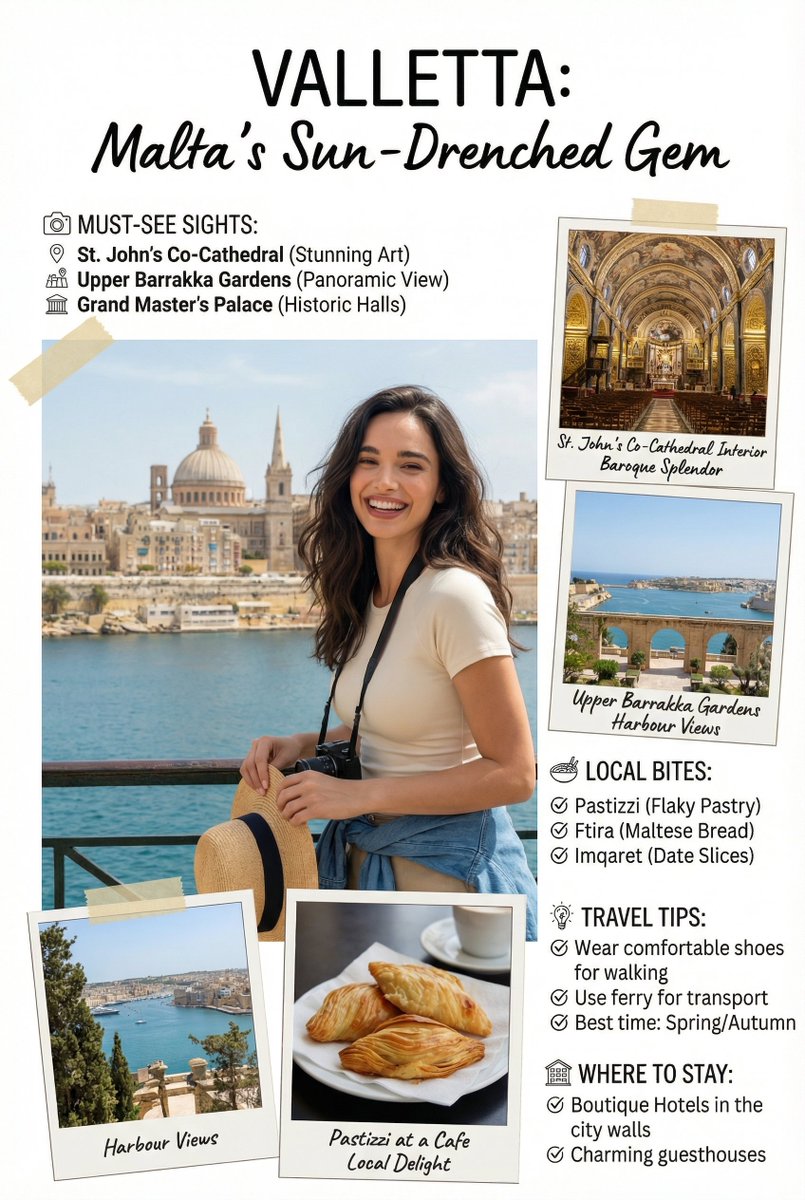
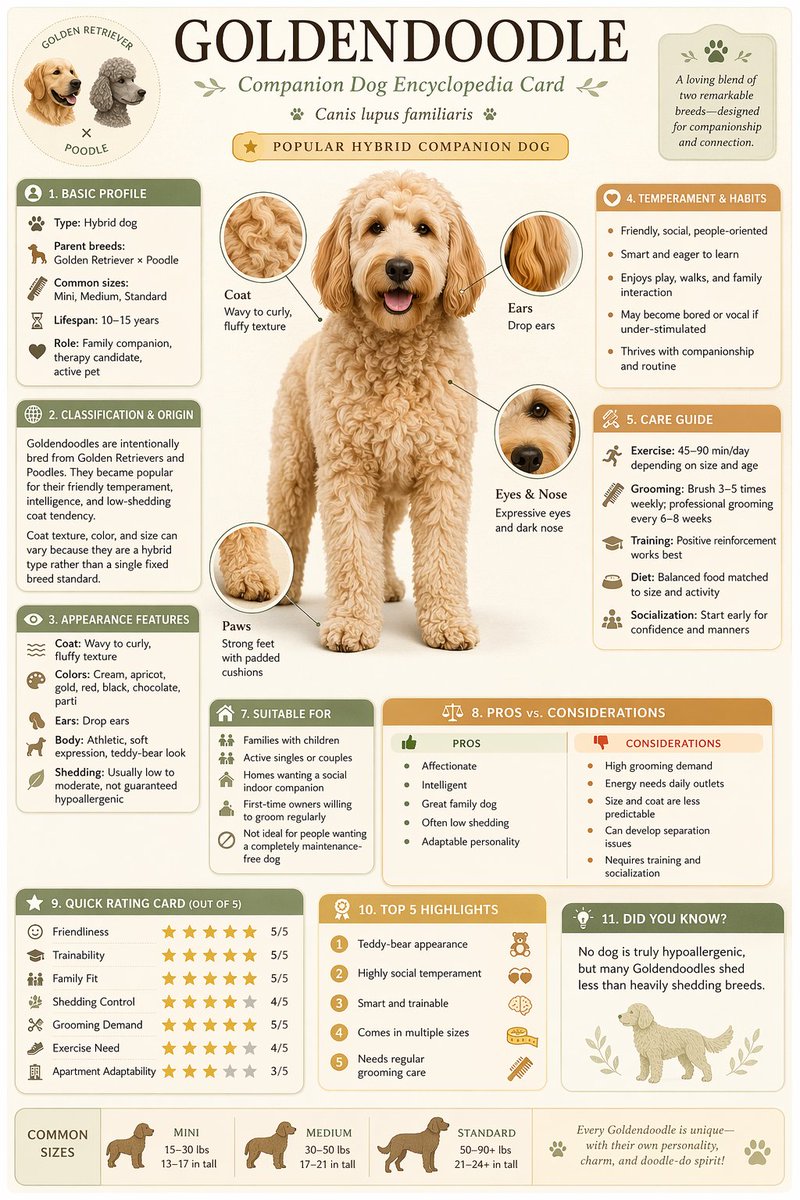
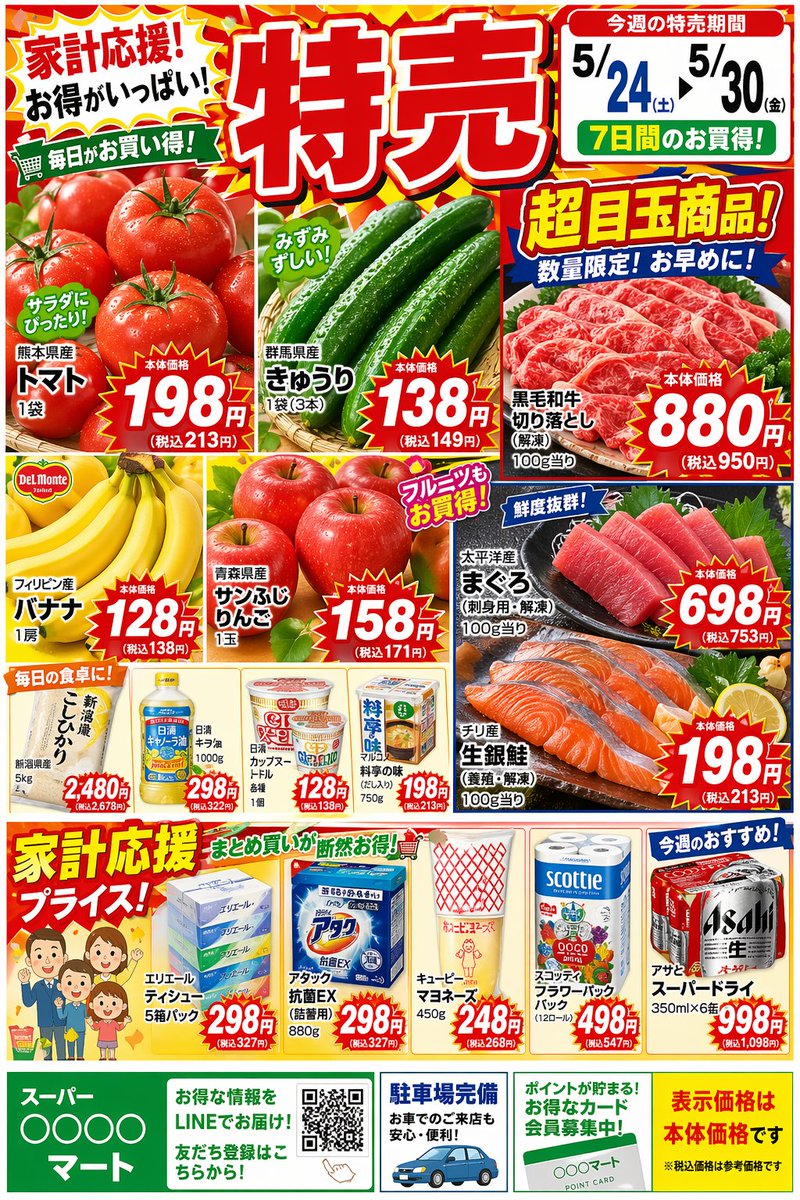
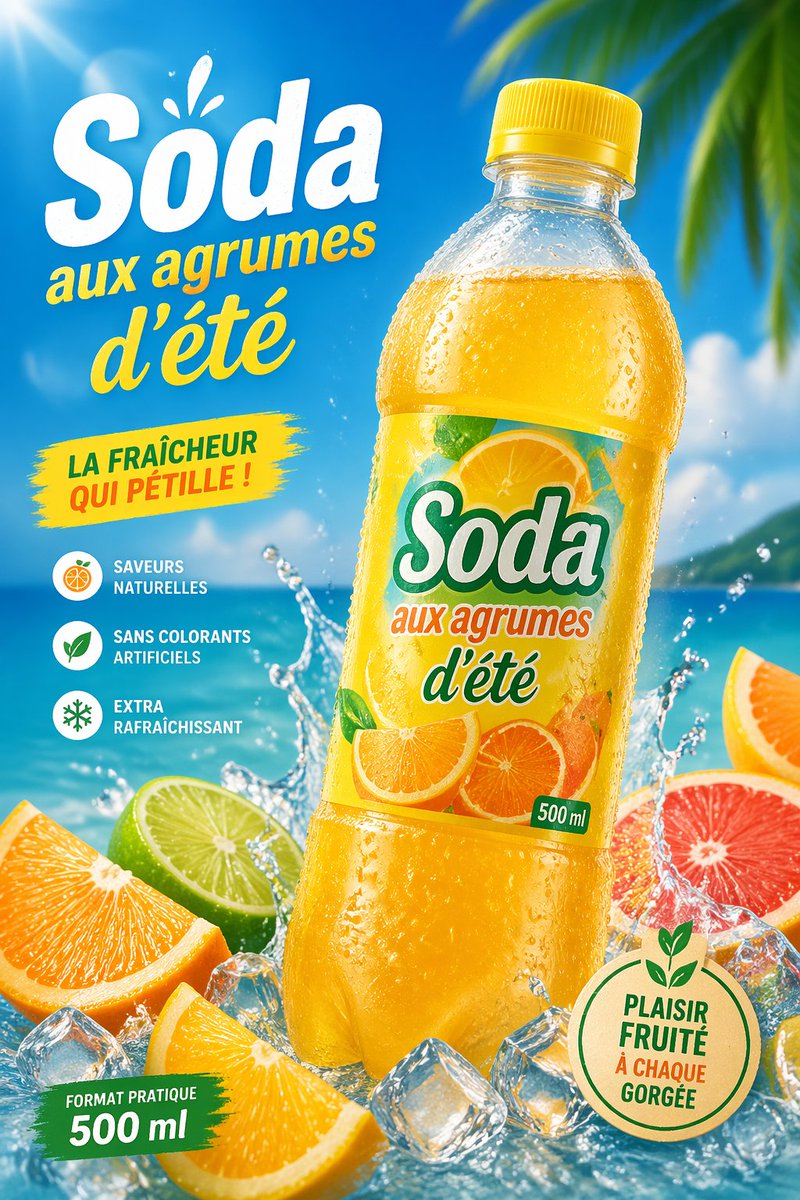
Many tools fail when text appears on posters or UI mockups. This model is known for stronger text output, so headlines, labels, and product callouts are easier to read.
You can target common layouts like 1:1, 4:3, 16:9, and vertical formats. Reports mention up to 2K and high pixel budgets, which helps it cover social, ads, and landing pages.
For campaigns, one image is never enough. It can keep style and subject direction more stable across variants, so your brand feed looks connected.
You can start from an existing photo, mockup, or sketch, then request changes. This means the model fits teams that already have assets and only need fast edits.
Speed is not only technical speed. Real speed is decision speed. With this model you can create options, compare ideas, and move to the next task without long handoff delays.
The model works well for hero images, ad concepts, app visuals, and blog graphics. It helps small teams publish more often with less waiting.
GPT Image 2 is a modern image model name used in API and product discussions. People search this keyword because they need a practical answer: can it create better visuals with less effort?
A model is useful only when it changes your workflow. For many users, this model means less time spent fixing text, better control over format, and fewer failed drafts. Public guides often note strong prompt understanding plus a cleaner visual finish.
Public pages mention support around high-resolution generation and flexible dimensions, with examples up to 2048 or higher workflows. Several developer notes describe quality options and output formats like PNG, JPEG, and WebP. This makes the model practical for both quick drafts and polished assets.
Many creators begin with free tiers, trial credits, or demos. That is the easiest path: test it online free, measure quality with your own prompts, then decide if a paid plan gives enough return.
Use this quick comparison before you start. If you need readable text and product-ready layouts, GPT Image 2 is often the easiest pick. If you care most about artistic style exploration, Midjourney v7 can be strong. Nano Banana Pro can be useful for fast concept drafts.
| Category | GPT Image 2 | Nano Banana Pro | Midjourney v7 |
|---|---|---|---|
| World knowledge | Strong scene logic; 48/50 prompt tests reported in public reviews. | General world understanding; fewer third-party benchmark numbers. | Improved prompt understanding in V7 Alpha; no official numeric score. |
| Max resolution | Up to 2048x2048 native; some services offer 4K upscale workflows. | Up to 4096x2048 (4K-class) in public product pages. | Up to 2048x2048 in multiple V7 review reports. |
| Text rendering | About 95%+ reported readability; multilingual text is a key strength. | Public claims focus on clear typography and 40+ language support. | Review data cites ~89% readable text vs ~23% in older V6 tests. |
| Generation speed | Commonly around 10-20s per high-quality image in web tools. | Nano Banana 2: ~3-4s; Pro quality mode: ~10-20s (public claims). | Draft mode up to 10x faster; turbo around ~9s in review tests. |
| Editing features | Natural-language multi-turn edits; in/outpainting and style edits supported. | Text-to-image + image-to-image + conversational edit flow. | Layer editor, masking, retexture, and Omni Reference in V7 tools. |
Data is compiled from public docs and review reports; exact numbers can vary by model mode, queue load, and platform updates.
This workflow is short on purpose. Keep it simple, then improve details after you see the first result.
State subject, setting, style, and one constraint. Example: "Clean product shot, soft light, white background, no watermark."
Pick ratio for your target channel, then set quality level. Use medium for drafts, high for final assets.
Adjust only one variable per rerun, such as color tone or camera distance. This keeps outputs consistent.
Facts are useful, but value means impact on your daily work. These points show what this model changes for teams and creators.
You are not paid for "having images." You are paid for outcomes: higher click rate, clearer pages, faster launches, and fewer revision loops. The model creates value because it helps you move from idea to publishable visual without waiting on a full design queue. If your team can test three concepts in one day instead of one concept in three days, this workflow gives direct business value.
Instead of one expensive ad concept, your team can test many message angles. This means faster learning and fewer wasted campaigns. This workflow turns visual testing into a weekly habit.
Product launches need screenshots, banners, and walkthrough visuals. It helps you prepare assets earlier, so launch pages are ready when code is ready.
Better text rendering means fewer manual fixes for localized graphics. That helps teams in different regions publish in their own language with less friction and less copy-paste error.
Small teams usually have limited budget and time. The model lowers the cost of visual production, so founders can ship better pages without building a large creative department.
Creators need output rhythm. If you can make thumbnails, covers, and social cards from one prompt style, your channel stays consistent. The model supports that consistency.
Fast visual drafts reduce meeting time. People can react to concrete images instead of abstract ideas. That makes product and marketing decisions easier to align.
These answers are written in simple language so first-time users can start quickly.